
How to Build a Professional Website for a Small Business in 2024
A comprehensive, step-by-step guide for small business owners on building a professional, high-converting website that drives real growth.
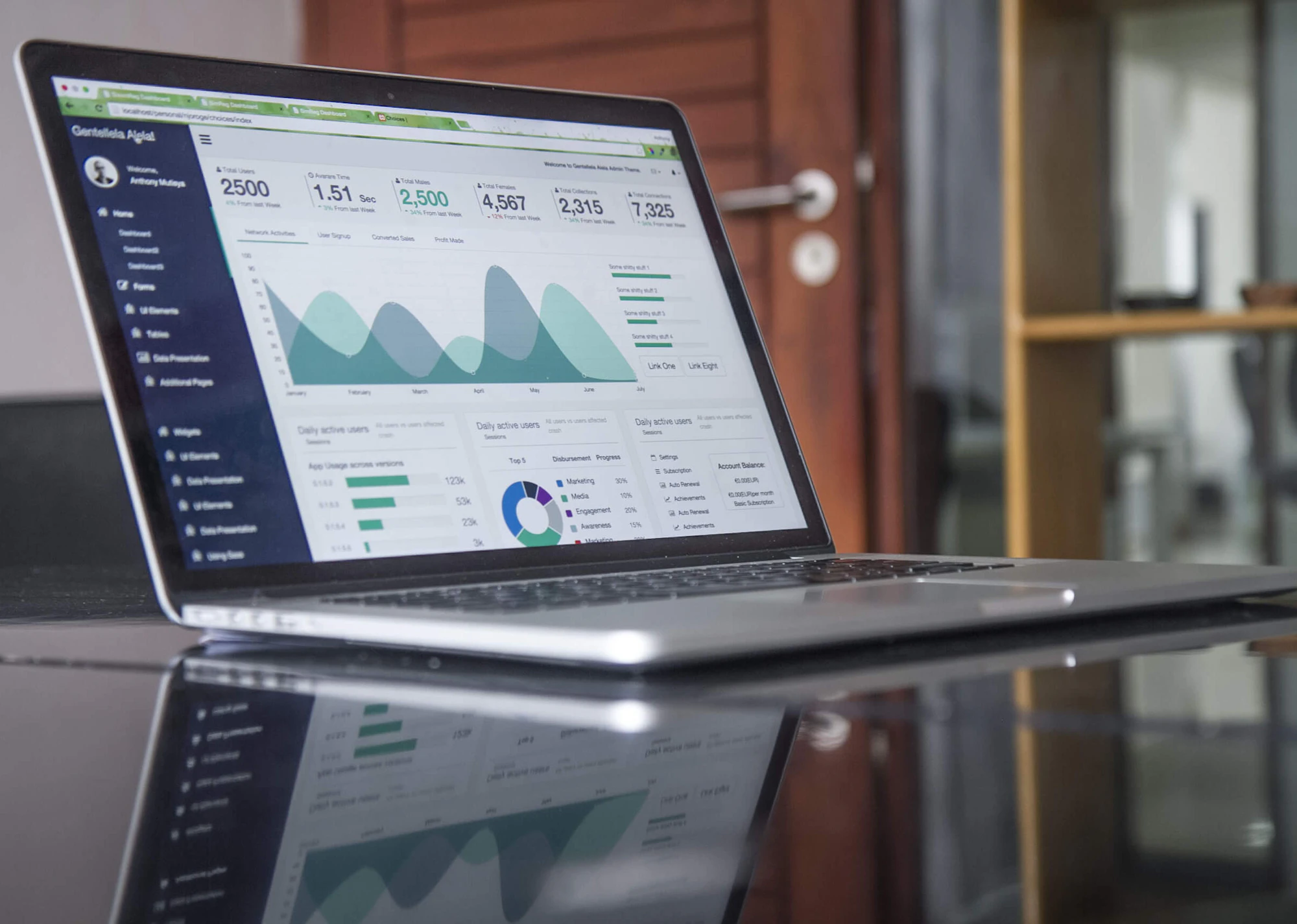
Look around. The internet isn't a billboard anymore; it's a battleground. In 2024, launching a basic template website and expecting a flood of new clients is the digital equivalent of whispering in a hurricane. To survive—and actually dominate—your small business needs an unfair algorithmic advantage. It needs a high-performance, conversion-optimized machine.
If you're still relying on a bloated five-year-old WordPress theme, you're not just losing traffic; you're actively handing your highest-paying customers directly to your competitors. In this definitive small business website development guide, we are ripping up the old playbook. No generic fluff. Just pure, data-backed strategy used by elite brands to scale digital growth, leverage next-gen technology, and force the algorithm to respect your authority.
1. The 2024 Reality Check: "Mobile-First" is Dead. Welcome to "Performance-First".
For a decade, "mobile-first design" was the gold standard. Today? It's the bare minimum. Every website is mobile-first. The real differentiator in 2024 is Performance-First architecture.
Google’s Core Web Vitals are ruthlessly unforgiving. If your Time to First Byte (TTFB) and Largest Contentful Paint (LCP) aren't clocking in under 2.5 seconds, you are being shadowbanned from page one. Your potential clients have a zero-tolerance policy for loading screens. Every second of delay strips a minimum of 7% from your conversion rate.
The Tech Stack Revolution (Goodbye PHP, Hello Next.js)
Small businesses are finally ditching ancient, plugin-heavy drag-and-drop builders. The new standard for serious brands? Modern JavaScript frameworks like Next.js.
- Server-Side Rendering (SSR): Instead of forcing a user's phone to build the webpage, a Next.js site delivers the page pre-built instantly. This is an SEO superpower.
- Unbreakable Security: By decoupling the front-end from the back-end (Headless architecture), the attack surface for hackers essentially drops to zero.
- Scalable E-Commerce: If you are running an e-commerce or dropshipping store, lightning-fast product rendering isn't a luxury; it's the difference between an abandoned cart and a $500 checkout.
Thinking about upgrading your infrastructure? Our team at Xpeartz Agency specializes in blazing-fast Next.js Web Development to ensure your site outperforms the top 1% of your niche.
2. Cognitive Friction: Why Your UI/UX Design is Hemorrhaging Money
Beautiful design does not equal profitable design. We see stunning portfolios every day that can't convert traffic to save their lives. Why? They prioritize aesthetics over Cognitive Ease.
When a user lands on your site, they subconsciously ask three questions within three seconds:
- Where am I?
- What do you sell (or do)?
- Why should I trust you over the next guy?
If they have to scroll, decipher vague headlines, or hunt for a navigation menu, you've introduced Cognitive Friction. They will bounce.
The "F-Pattern" and Visual Hierarchy
Heatmap data from millions of sessions proves users consume digital content in an "F" pattern. They scan the top line (your logo and navigation), drop down, scan a bit more (your hero headline), and then skim the left side of the page (your bullet points).
Your UI/UX design must guide the human eye exactly where you want it to go. Use contrasting colors for your Call-to-Action (CTA) buttons. Ditch stock photos for authentic, high-fidelity imagery. Implement subtle micro-animations (like a button gently glowing on hover) to provide dopamine-inducing feedback that encourages interaction.
3. E-commerce & Dropshipping: The Headless Advantage
If your small business sells physical products, digital goods, or runs a dropshipping operation, 2024 is the year of the Headless Commerce takeover.
Traditional setups tie your storefront (the design) strictly to your back-end (your inventory and payment processor like Shopify or WooCommerce). Headless severs that tie. You can use Shopify simply as an inventory engine in the background, while the front-end is custom-built with React or Next.js.
The result? You completely bypass the restrictive checkout templates, achieving millisecond load times. Furthermore, Headless allows you to inject interactive 3D product models, deeply personalized AI-driven product recommendations, and frictionless one-click checkouts that traditional templates simply cannot handle.
Ready to shift from a basic store to an e-commerce powerhouse? Explore Xpeartz’s custom E-commerce and Dropshipping solutions built for massive scale.
4. The Psychology of Conversion: CTAs That Don't Suck
"Submit." "Learn More." "Click Here."
If these are the primary buttons on your website, you are actively telling users to fall asleep. A highly profitable website doesn't just ask for a click; it commands action through value-based micro-copy.
Risk Reversal and Benefit-Driven Copy
Instead of "Sign Up," use "Get Your Free Growth Audit." Instead of "Contact Us," use "Schedule My Free Consultation."
Human psychology is wired for risk aversion. Your website must systematically handle objections before the user even thinks of them. Position strong social proof (video testimonials, client logos, case studies with hard numbers) directly next to your CTAs. Combine this with authoritative graphic design—clean typography, ample whitespace, and strategic directional cues (arrows, character gazes pointing at the button)—to scientifically engineer clicks.
5. The Strategic SEO Engine: Beyond Keyword Stuffing
In the era of AI-generated search results and Zero-Click searches, traditional SEO is fighting an uphill battle. To actually rank, your small business website development guide needs to pivot from "keyword hunting" to "Topical Authority."
Google’s AI (Search Generative Experience) rewards sites that exhaustively cover a niche. You need a clustered content strategy. Your core service page (e.g., "Custom Web Design") should be supported by 20 specific, deeply researched long-tail articles interlinking securely to build a semantic web of authority.
Furthermore, the technical markup matters more than ever. Schema org data (structural code that explicitly tells search engines what your business is, reviews, pricing, and FAQs) must be hardcoded seamlessly into your website's architecture.
6. Brand Trust Through Motion: The Role of Animation
In 2024, static websites look broken. Motion design and web animation are no longer gimmicks; they are essential tools for storytelling and user retention.
When someone scrolls down your page, elements shouldn't just exist—they should arrive. Staggered reveals, parallax image effects, and smooth page transitions keep the brain engaged. When a user interacts with a pricing toggle, an animated, fluid shift communicates quality and professionalism. It subtly whispers, "We care about the details, which means we will care about your project."
However, performance is paramount. Using heavy video backgrounds will kill your Lighthouse score. Elite agencies use sophisticated libraries like Framer Motion or GSAP to orchestrate complex visual poetry that uses virtually zero computing power.
The Verdict: Stop Building Brochures. Start Building Assets.
Your website is your best salesperson. It works 24/7/365, it never asks for a raise, and it never has a bad day. But a salesperson without a strategy, without a slick presentation, and without the psychological tools to close a deal is useless.
Building a professional website for a small business in 2024 means marrying elite-tier engineering (Next.js, Headless CMS), psychological UI/UX design, and tactical SEO. It’s an ecosystem designed with one singular purpose: to turn stranger’s attention into cold, hard revenue.
Don't Build Your Digital Future on Guesswork.
You didn't read this because you want a standard website. You read this because you want to dominate your market. Stop wasting time with DIY templates that bleed revenue.
Consult with Xpeartz Digital Architects TodayRelated Articles
Website Cost Breakdown for Small Businesses (What to Expect)
Understand exactly how much a small business website should cost in 2024, including hidden fees, maintenance, and where to invest your budget.
Custom Website vs Template: What’s Better for Growing Brands?
Should you use a cheap template or invest in a custom website? We break down the pros, cons, and ROI of both approaches for growing your brand.
Why Every Small Business Needs a Mobile-Responsive Website
With the majority of web traffic coming from mobile devices, a responsive design isn't just good to have—it's essential for customer trust and SEO.
Essential Features Every Small Business Website Must Have
Don't launch your website without this essential checklist. From clear CTAs to security features, ensure your site is built for success.
How Website Design Impacts Customer Trust and Sales
First impressions matter. Learn how professional website design psychology influences visitor behavior, builds trust, and ultimately drives sales.
Local Business Website Optimization Guide
Dominate your local market. A complete guide to optimizing your website for local search intention to bring more foot traffic and localized leads.
Website Redesign Strategy for Growing Businesses
Is your current website holding you back? Learn the signs that it's time for a redesign and the strategic steps to ensure maximum ROI.